How to Choose the Right Flooring for Your Home
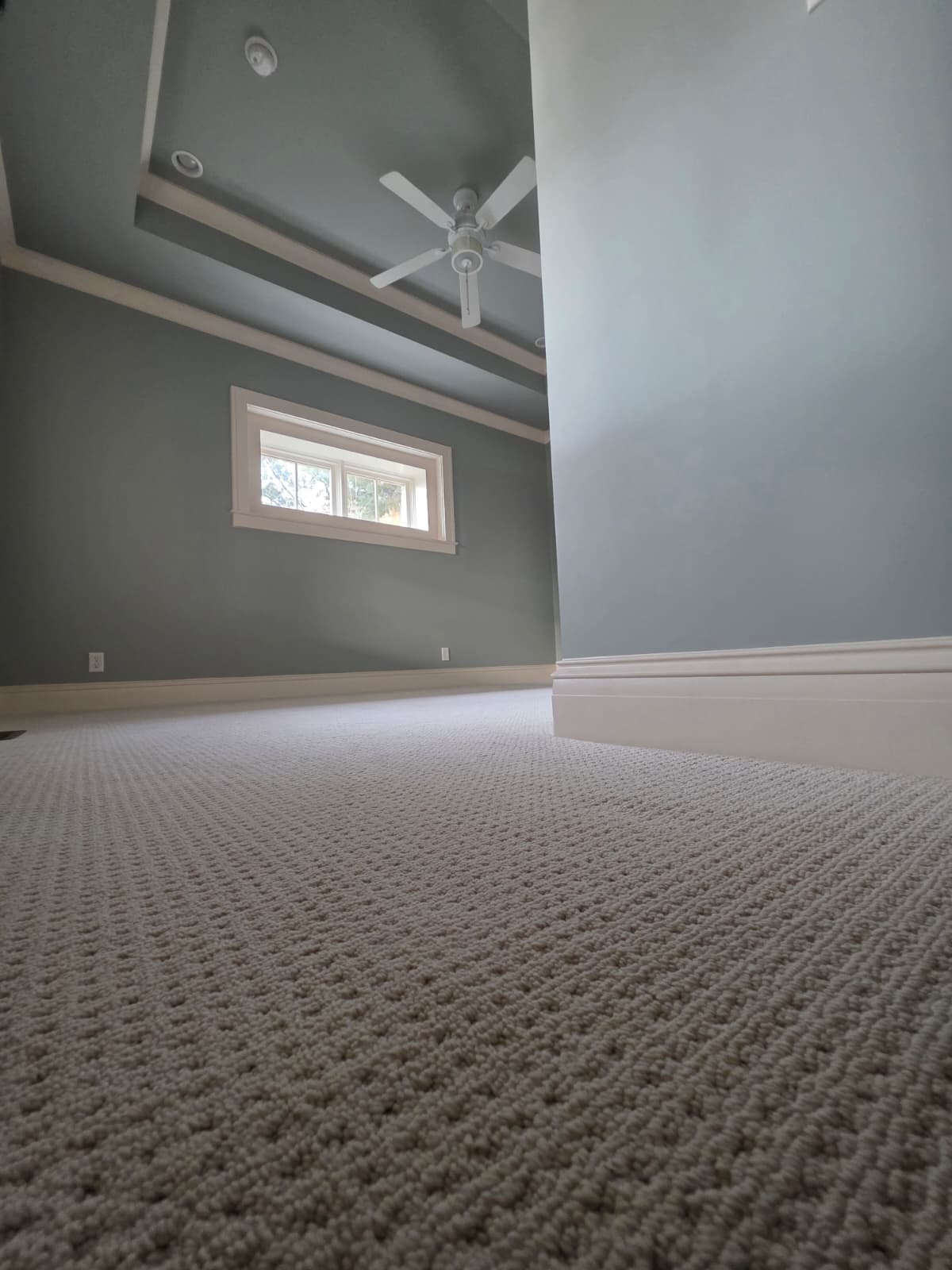
Choosing the right flooring is one of the most impactful decisions you will make during a home remodel. It sets the tone for the entire house, dictates maintenance levels, and significantly affects your home's overall value. With so many options available, the selection process can feel overwhelming.
1. Consider Your Lifestyle and Household
Before falling in love with a specific material, you must objectively evaluate how each room in your home is used. High-traffic areas like hallways, living rooms, and entryways require incredibly durable materials. If you have large dogs, young children, or host frequent gatherings, your flooring needs to withstand spills, scratches, and heavy foot traffic.
"The best flooring isn't just beautiful; it's resilient enough to handle the reality of your daily life without showing premature wear."
2. Understand the Leading Flooring Options
Let's break down the most popular flooring choices for modern remodels:
- Hardwood: The gold standard. It is classic, elegant, and adds significant resale value to your home. It can be sanded and refinished multiple times. However, it is susceptible to water damage and scratches, making it best for living areas and bedrooms rather than bathrooms.
- Luxury Vinyl Plank (LVP): The fastest-growing flooring category for a reason. LVP is highly durable, 100% waterproof, and convincingly mimics the look of real wood or stone. It is ideal for kitchens, bathrooms, basements, and homes with pets.
- Porcelain and Ceramic Tile: Extremely durable and water-resistant. Tile is perfect for bathrooms, laundry rooms, and entryways. Modern printing technology allows tile to look like wood, concrete, or natural stone.
- Laminate: A cost-effective alternative to hardwood. It resists scratches well but is generally not waterproof (though water-resistant options exist).
3. Factor in Long-Term Maintenance
Be honest with yourself about how much time you are willing to spend maintaining your floors. Some flooring types require significantly more upkeep than others.
Hardwood may need occasional professional refinishing to maintain its luster, while tile grout requires regular, deep cleaning to prevent discoloration. On the other hand, LVP is generally the easiest to maintain, needing only regular sweeping and occasional damp mopping with a mild cleaner.
4. Set a Realistic Budget
Flooring costs vary widely based on the material quality and the complexity of the installation. When setting your budget, remember that the cost of the material itself is only part of the equation.
You must also factor in:
- Underlayment and subfloor preparation: If your subfloor is uneven, it must be leveled before new flooring goes down.
- Transition pieces and trim: Baseboards, shoe molding, and threshold transitions add to the final cost.
- Professional installation: Proper installation is crucial for the longevity of your floors.
Taking the time to weigh these factors will ensure you choose a floor that you will love for decades to come.

CS Remodeling
Expert remodeling contractors serving Tulsa, OK, and surrounding areas with top-tier craftsmanship.
Get a Free Quote